



Az hajt, hogy nemzetközi szinten is látható legyek

Interjú Bíró Anikóval a KRTK KTI tudományos főmunkatársával
Kutatóink könyvfejezeteivel megjelent az Emerging European Economies after the Pandemic című kiadvány a Springernél
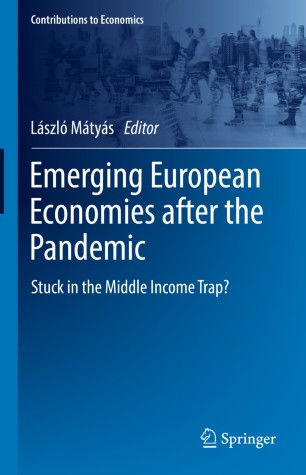
Emerging European Economies after the Pandemic Stuck in the Middle Income Trap? Editor: László Mátyás Presents empirical evidence from 8 European emerging economies Offers general and country-specific policy recommendations Addresses the question how the subject area can contribute to avoiding the „middle-income-trap” Part of the Contributions to Economics book series (CE) Springer © 2022 […]
Weiner Csaba és Szép Tekla cikke megjelent az Energy Strategy Reviews szakfolyóiratban
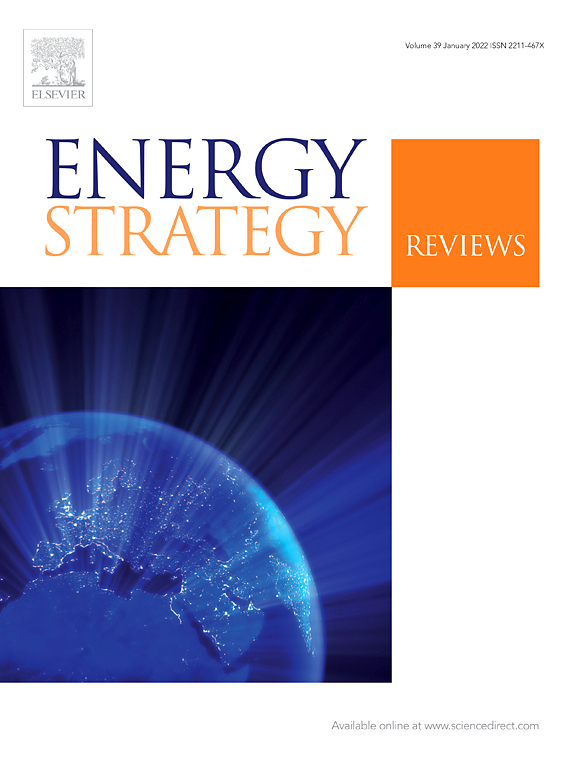
The Hungarian utility cost reduction programme: An impact assessment CsabaWeiner – TeklaSzép Highlights Rationale for and consequences of Hungary’s post-2012 utility rate cuts are assessed. Substantial residential excess energy use is identified due to state price regulation. State programme benefits are unequally distributed among income deciles. Upper-income households are favoured; firewood-heating poor are limitedly […]