



Abstract
This study examines how shared human values and sociodemographic characteristics shape attitudes and perceptions within local food systems, with a particular focus on producer-consumer alignment. Using data collected in 2021 from a representative sample of 1031 consumers and 224 small-scale producers in Hungary, we analyse evaluations of key local food attributes alongside basic human values derived from Schwartz’s Theory of Basic Human Values. First, we identify systematic gaps between consumer-reported preferences and producers’ perceptions of what consumers value, revealing that producers tend to overestimate attributes closely linked to their own practices, while underestimating emerging concerns such as waste reduction. Second, drawing on a pooled sample of producers and consumers, we apply k-means clustering to identify two distinct groups characterised by contrasting evaluations of local food attributes: Community-Oriented and Self-Oriented Actors. The clusters differ primarily in the relative emphasis placed on sustainability- and community-related attributes (e.g. environmental impact), which receive markedly higher importance ratings in the Community-Oriented group, whereas the Self-Oriented group displays a more pragmatic attribute profile. 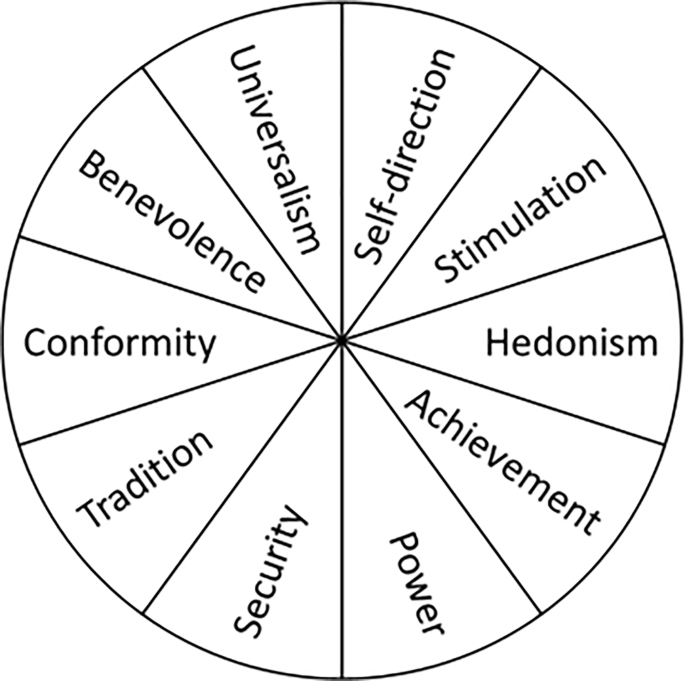 Logistic regression analysis indicates that membership in the Community-Oriented cluster is significantly associated with value orientations, most notably universalism, tradition, and achievement, as well as age and gender, while the producer-consumer distinction itself is not a significant predictor. Initiatives aiming to strengthen local food systems may benefit from value-sensitive approaches that go beyond role-based targeting, particularly by prioritising attributes with strong normative meaning (such as waste reduction) where producer recognition is uneven, and aligning communication and support instruments accordingly.
Download PDF
