


Keresés
Keresés
Close this search box.

hu / en

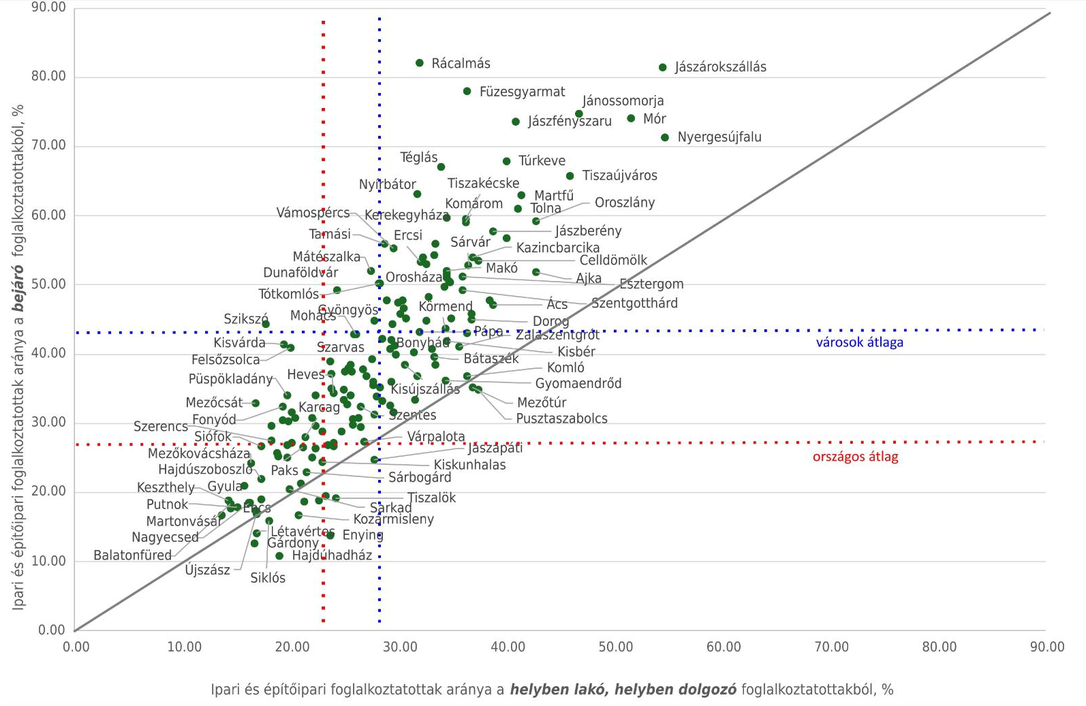
A 2010 utáni reformok hatása a hazai iskolarendszerű szakképzés szerepére, térszerkezetére és gazdasági kapcsolatrendszerére - Velkey Gábor elemzése Tovább olvasom

Tovább olvasom

Megjelent a Tér és Társadalom legújabb száma - a Regionális Kutatások Intézete negyedéves tudományos folyóirata Tovább olvasom

A szerzők közt: Baranyai Nóra, Farkas Orsolya, Horeczki Réka, Jóna László, Kézai Petra Kinga, Páger Balázs és Rácz Szilárd Tovább olvasom

Klímaváltozás és munkaerőhiány - Alkalmazkodási kényszerek kertészeti gazdaságokban - Szociológiai tanulmányok Tovább olvasom

Megjelent az ELTE KRTK Regionális Kutatások Intézete kiadásában Tovább olvasom

CEE energy policy responses to Russia’s 2022 invasion - Szabo John, Weiner Csaba és Deák András cikke a Post-Communist Economies szakfolyóiratban Tovább olvasom

Tovább olvasom

Lendületesek: Lengyel Balázs - az Agglomeráció és Társadalmi Kapcsolathálózatok kutatócsoport munkájának bemutatása az MTA honlapján Tovább olvasom

Tovább olvasom

Approximating maximum-size properly colored forests - Csáji Gergely és szerzőtársai cikke megjelent a European Journal of Combinatorics folyóiratban Tovább olvasom

Tovább olvasom

KTI szeminárium: Tóth G. Csaba habilitációs előadása – A népességváltozás mozgatórugói a kelet-közép-európai országokban


Az előadásra hibrid formában kerül sor zoom felületen, illetve személyesen a K.0.11-12-es földszinti előadóban 2025.05.20-án, 13.00 órától.

Zoom link: https://us06web.zoom.us/j/84668227939?pwd=rMoC7MQoQUVvGjCHoNIEN5al1gdGER.1

Meeting ID: 846 6822 7939
Passcode: 075978

Előadó: Tóth G. Csaba (HUN-REN KRTK KTI)

Cím: A népességváltozás mozgatórugói a kelet-közép-európai országokban a rendszerváltást követő három évtizedben (habilitációs előadás MAGYAR nyelven)

Absztrakt:

This study introduces a novel approach to decomposing population change by identifying the separate contributions of fertility, mortality, net migration, and initial age structure using stable population theory. Its strength lies in the additivity of the results: the contributions of these factors, along with the interaction effect, sum to equal the total population change. In addition, identifying the direct impact of initial age structure on population change offers new insights into the drivers of population dynamics. Central and Eastern Europe was one of the regions hit most by population decline between 1990 and 2020; however, it was marked by significant variation across countries. By decomposing population change, we found that the positive impact of the relatively young initial age structure in the CEE region was as large as the population-reducing effect of negative net migration, while the positive impact of mortality improvement offset one-third of the population-reducing effect of low fertility. On the other hand, the initial age structure had a crucial role in explaining differences in country-level population change during the study period.


2026

Jan

13

H

K

Sz

Cs

P

Sz

V

29

30

31

1

2

3

4

5

6

7

8

9

10

11

12

13

14

15

16

17

18

19

20

21

22

23

24

25

26

27

28

30

31

1

Következő hónap >
2025.05.20. | Humán Tudományok Kutatóháza (1097 Budapest, Tóth Kálmán u. 4.), K.0.11-12. földszinti előadóban és Zoom felületen