




Nemes Gusztáv társszerkesztője és szerzője a Sociologia Ruralis különszámának
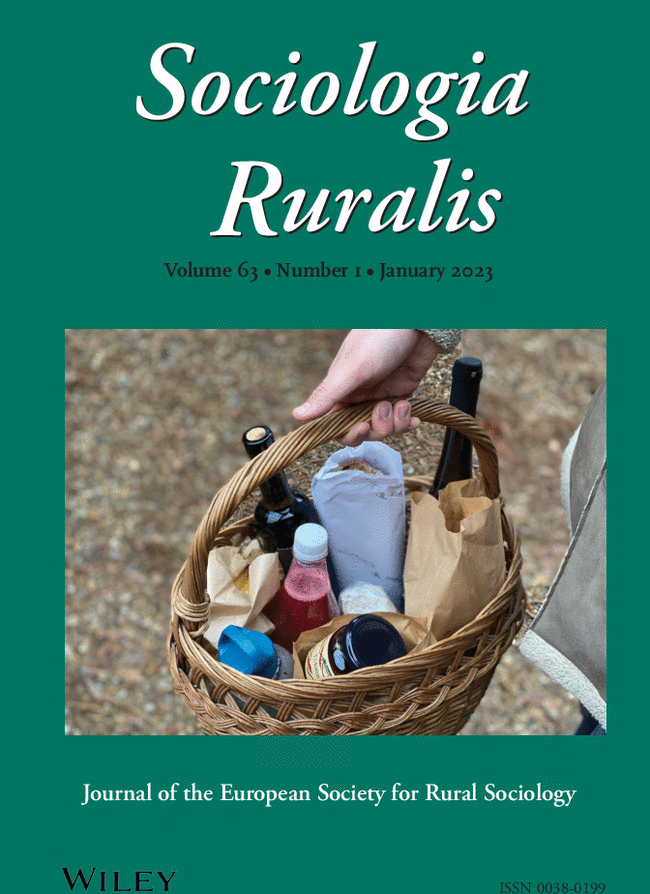
Sociologia Ruralis Journal of the European Society for Rural Sociology Volume 63 Number 1 January 2023 – First published: 27 January 2023 Special Issue: Values-Based Territorial Food Networks’—Benefits, Challenges and Controversies Guest Editors: Gusztáv Nemes, Rachel Reckinger and Veronika Lajos EDITORIAL – Open Access ‘Values-based Territorial Food Networks’—Benefits, challenges and controversies Gusztáv […]
Elérhető a Reginar idei első előadása a Regionális Kutatások Intézetének YouTube csatornáján

Az előadó: Lux Gábor.
Kováts Bence tanulmánya megjelent az International Journal of Housing Policy szakfolyóiratban

Conceptualising the conservative housing regime: the case of Hungary Bence Kováts Research Article – Published online: 23 Jan 2023 – International Journal of Housing Policy Abstract Compared to liberalism and social democracy, conservative ideology is presented in the literature to have had an ambiguous and much less significant influence on housing policy-making. The […]