





Keresés
Keresés
Close this search box.

hu / en

A 2010 utáni reformok hatása a hazai iskolarendszerű szakképzés szerepére, térszerkezetére és gazdasági kapcsolatrendszerére - Velkey Gábor elemzése Tovább olvasom

Tovább olvasom

Megjelent a Tér és Társadalom legújabb száma - a Regionális Kutatások Intézete negyedéves tudományos folyóirata Tovább olvasom

A szerzők közt: Baranyai Nóra, Farkas Orsolya, Horeczki Réka, Jóna László, Kézai Petra Kinga, Páger Balázs és Rácz Szilárd Tovább olvasom

Klímaváltozás és munkaerőhiány - Alkalmazkodási kényszerek kertészeti gazdaságokban - Szociológiai tanulmányok Tovább olvasom

Megjelent az ELTE KRTK Regionális Kutatások Intézete kiadásában Tovább olvasom

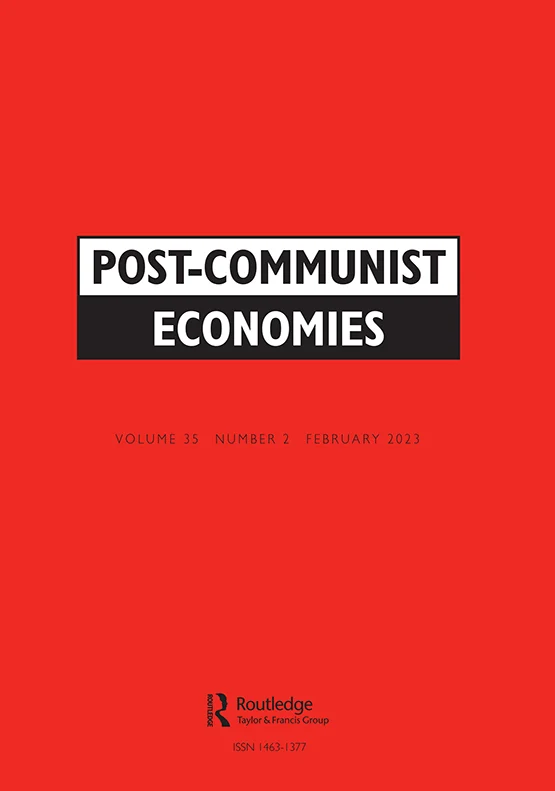
CEE energy policy responses to Russia’s 2022 invasion - Szabo John, Weiner Csaba és Deák András cikke a Post-Communist Economies szakfolyóiratban Tovább olvasom

Tovább olvasom

Lendületesek: Lengyel Balázs - az Agglomeráció és Társadalmi Kapcsolathálózatok kutatócsoport munkájának bemutatása az MTA honlapján Tovább olvasom

Tovább olvasom

Approximating maximum-size properly colored forests - Csáji Gergely és szerzőtársai cikke megjelent a European Journal of Combinatorics folyóiratban Tovább olvasom

Tovább olvasom

KTI szeminárium: Rosario Crinò – Artificial Intelligence and Jobs: Evidence from US Commuting Zones (with Alessandra Bonfiglioli, Gino Gancia and Ioannis Papadakis)

Az előadásra hibrid formában kerül sor Zoom felületen, illetve személyesen a K13-14-es földszinti előadóban 2024.09.26-án, 13.00 órától.

Előadó: Rosario Crinò

BIO: Rosario Crinò is a Professor of Economics at the University of Bergamo and a Research Fellow of CEPR and CESifo. His research focuses on the effects of automation, artificial intelligence, and globalization on labor markets, productivity, and welfare.

Cím: Artificial Intelligence and Jobs: Evidence from US Commuting Zones (with Alessandra Bonfiglioli, Gino Gancia and Ioannis Papadakis)

Abstract: We study the effect of Artificial Intelligence (AI) on employment across US commuting zones over the period 2000-2020. A simple model shows that AI can automate jobs or complement workers, and illustrates how to estimate its effect by exploiting variation in a novel measure of local exposure to AI: job growth in AI-related professions built from detailed occupational data. Using a shift-share instrument that combines industry-level AI adoption with local industry employment, we estimate robust negative effects of AI exposure on employment across commuting zones and time. We find that AI’s impact is different from other capital and technologies, and that it works through services more than manufacturing. Moreover, the employment effect is especially negative for low-skill and production workers, while it turns positive for workers at the top of the wage distribution and for those in STEM occupations. These results are consistent with the view that AI has contributed to the automation of jobs and to widen inequality.

2026

Jan

11

H

K

Sz

Cs

P

Sz

V

29

30

31

1

2

3

4

5

6

7

8

9

10

11

12

13

14

15

16

17

18

19

20

21

22

23

24

25

26

27

28

30

31

1

Következő hónap >
2024.09.26. - 2024.09.26. | MTA HTK (1097 Budapest, Tóth Kálmán u. 4.) K13-14-es földszinti előadóban és Zoom felületen