

Europe’s Invisible Neighbourhoods: Why Farmland Still Matters for Rural Development – by Imre Fertő

Europe’s Invisible Neighbourhoods:Why Farmland Still Matters for Rural Development Lillemets, Jüri, Viira, Ants-Hannes, & Fertő, Imre While Europe’s population is increasingly urbanized, an overlooked reality persists: most Europeans live remarkably close to agricultural land. A recent study by Lillemets et al. (2025) highlights that nearly all Europeans live within 10 kilometers of […]
Trade-offs and synergies when balancing economic growth and globalization for sustainable development goals achievement

by Imre Fertő & Gábor Harangozó
Urban highways are barriers to social ties – new co-authored research article by Sándor Juhász
Urban highways are barriers to social ties Luca Maria Aiello – Anastassia Vybornova – Sándor Juhász and Eszter Bokányi Proceedings of the National Academy of Sciences (PNAS) Vol. 122 | No. 10 – March 4, 2025 Significance Highways are physical barriers that cut opportunities for social connections, but the magnitude of this […]
The intertwined geographies of agricultural land and human settlement in Europe – by Imre Fertő and co-authors
The intertwined geographies of agricultural land and human settlement in Europe Jüri Lillemets, Ants-Hannes Viira, Imre Fertő Land Use Policy – Volume 153, June 2025 Highlights In 2018, 84 % of Europe’s population lived within approximately 1 kilometer of nearest farmland. Cluster analysis revealed that significant differences in population-farmland proximity occur along the North-South […]
Technology startups in Central and Eastern Europe: are they CEE-specific? New research study by Andrea Szalavetz
Technology startups in Central and Eastern Europe: are they CEE-specific? Andrea Szalavetz Research Article – Post-Communist Economies – Published online: 11 Mar 2025 Abstract Analysing qualitative data obtained from experts and technology startups in Central and Eastern Europe, we evaluate Meyer and Peng’s proposition about the fading distinctiveness of the CEE region. […]
Peers, parents, and self-perceptions: The gender gap in mathematics self-assessment – by Anna Adamecz

Peers, parents, and self-perceptions: The gender gap in mathematics self-assessment – by Anna Adamecz Across many countries, contexts, and fields, men tend to be more confident in their abilities than women. This is particularly true in science, technology, engineering, and mathematics (STEM). While the gender gap in math performance is small […]
Research articles by Imre Fertő, Tamás Hajdu, Judit Krekó & Csaba G. Tóth are in the Top 100 Sustainability Scientific Reports papers of 2024

Sustainability Top 100 of 2024 Collection 05 March 2025 This collection highlights the most downloaded* sustainability research papers published by Scientific Reports in 2024. Featuring authors from around the world, these papers highlight valuable research from an international community. *Data obtained from SN Insights, which is based on Digital Science’s Dimensions. […]
The Experiential Advantage in Consumption: Evidence from Hungary – new research article by Gábor Hajdu & Tamás Hajdu
The Experiential Advantage in Consumption:Evidence from Hungary Gábor Hajdu & Tamás Hajdu Social Indicators Research – Published: 06 March 2025 Abstract Previous research indicates that individuals derive greater happiness from spending on experiences than on material possessions. However, these studies have relied primarily on U.S. samples and research designs in which […]
Accessible, But Not Acceptable – Europe’s shifting relationship with natural gas – by András Deák and John Szabó
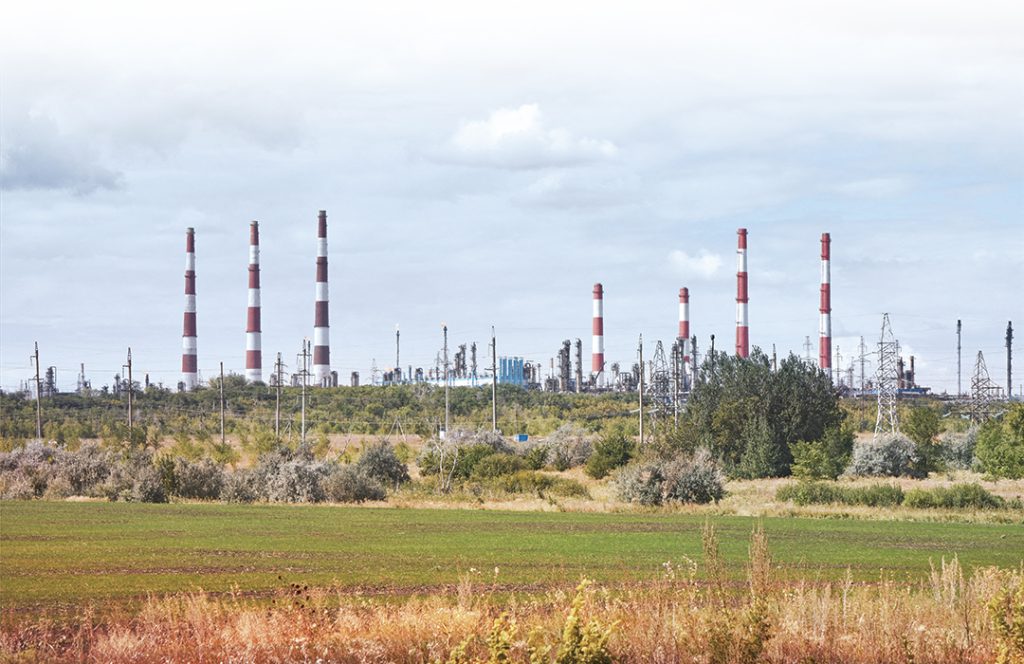
Accessible, But Not Acceptable Europe’s shifting relationship with natural gas András Deák and John Szabo Institute of World Economics at the Centre for Economic and Regional Studies Per Concordiam – Journal of European Security and Defense Issues VOLUME 13, ISSUE 2, 2025 – Feb 19, 2025 From the very day that European leaders entertained […]
From Vodka to Craft Beer – The Craft Beer Revolution in the Baltic States – by Zoltán Bakucs and Imre Fertő
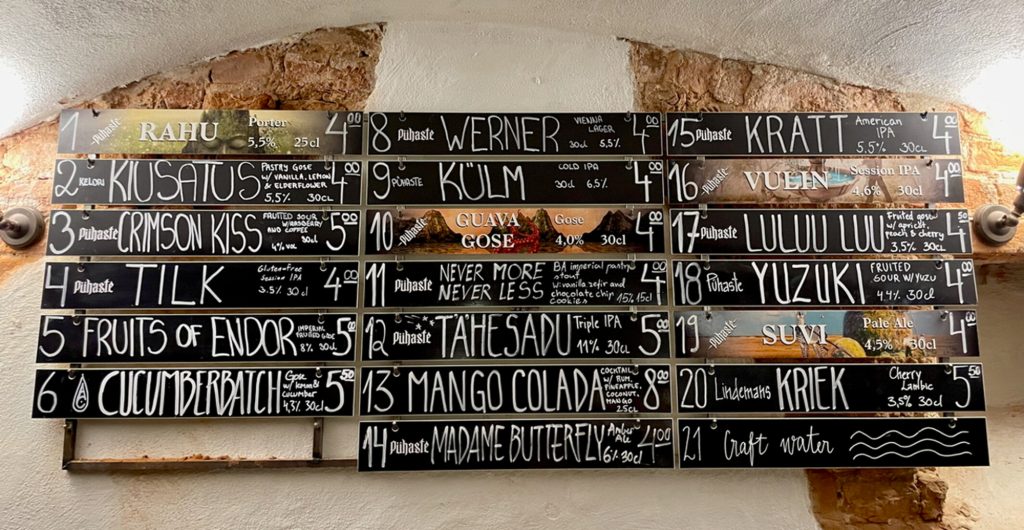
From Vodka to Craft Beer The Craft Beer Revolution in the Baltic States Zoltán Bakucs and Imre Fertő One of the most remarkable transformations in the European beverage market over recent decades has been the rise of craft beer. This shift has been particularly pronounced in the Baltic states, historically known for their preference […]


